
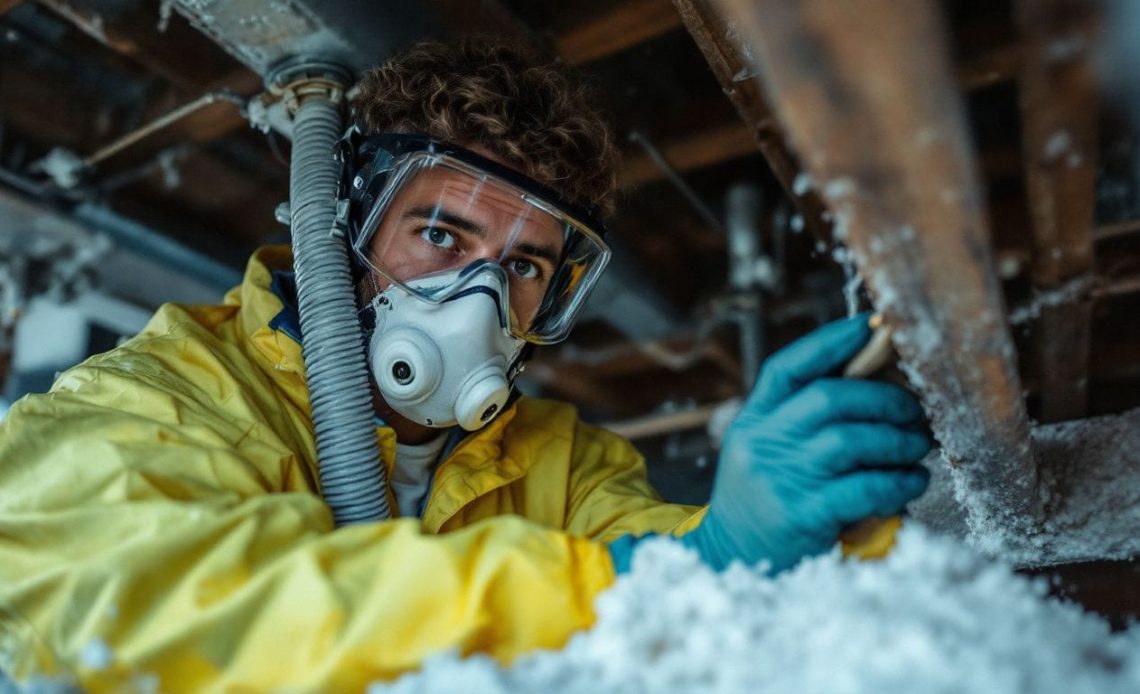
Care for built spaces now focuses on long-term safety plus responsible upkeep. Many property teams seek better ways to protect people while reducing harmful impact. The need for asbestos removal grows as owners aim to keep structures healthy through steady planning. Skilled planning helps reduce hidden dangers while preserving materials already in place. Clear steps also support better air quality and safer routines for workers. Trusted guidance brings confidence to maintenance planning, including asbestos removal tweed heads, delivered with care and positive outcomes.
Safe Assessment Planning
Careful review starts every project with clear thinking. Teams study surfaces to spot asbestos without disturbing it. This step reduces spread risk through calm, measured actions. Simple tools help experts map affected areas for clean handling. Strong planning keeps workers protected while buildings stay usable during change.
Advanced Containment Techniques
Modern barriers protect spaces during asbestos removal work. Sealed zones limit fiber movement through careful separation. This method helps the surrounding areas remain clean throughout the process. Teams rely on tested materials to secure work sections tightly. Controlled airflow supports safe removal of asbestos with less disruption.
Efficient Removal Processes
Special tools now support steady asbestos removal actions. Controlled handling lowers release risk during material lift. Teams follow simple steps that maintain order at each stage. Clear timing helps reduce exposure length for everyone nearby. These processes support reliable outcomes with less waste.
Responsible Waste Handling
Waste control plays a key role in safe upkeep. Asbestos debris moves through sealed paths toward proper storage. Careful labeling supports clear tracking through each stage. Teams follow set rules to protect workers during movement. One structured system builds confidence and reliability in asbestos removal tweed heads practices by ensuring safe handling, clear communication, and consistent compliance.
Worker Safety Training
People handling risky materials need strong guidance. Training builds awareness of asbestos behavior under stress. Clear routines support calm reactions during unexpected moments. Protective wear fits tasks through simple fitting checks. Knowledge helps workers stay confident during every asbestos removal stage.
Sustainable Maintenance Benefits
Long-term upkeep improves with thoughtful choices. Modern methods support the reuse of safe materials where possible. Reduced disruption helps buildings stay active during change. Planned care lowers future repair needs tied to asbestos presence.
- Clean zones support healthy indoor conditions for daily building use
- Lower fiber spread reduces cleaning needs after project completion
- Planned actions limit material waste through careful handling routines
- Worker safety improves through calm, organized work methods
- Maintenance schedules stay predictable with steady process control
Careful planning supports healthier spaces through steady action. Clear steps reduce risk while supporting lasting upkeep goals. Skilled teams help owners maintain strong spaces without sudden disruption. Choosing informed practices allows smoother maintenance cycles with safer results.
FAQs
What makes modern removal practices safer for building care today?
Modern steps limit fiber spread while supporting steady, controlled maintenance work.
Why training matters during removal work for building teams?
Training builds awareness, helping workers manage asbestos safely with calm routines.
Can planned removal support long-term building maintenance goals?
Yes, careful planning helps reduce future risks through reliable upkeep choices.